



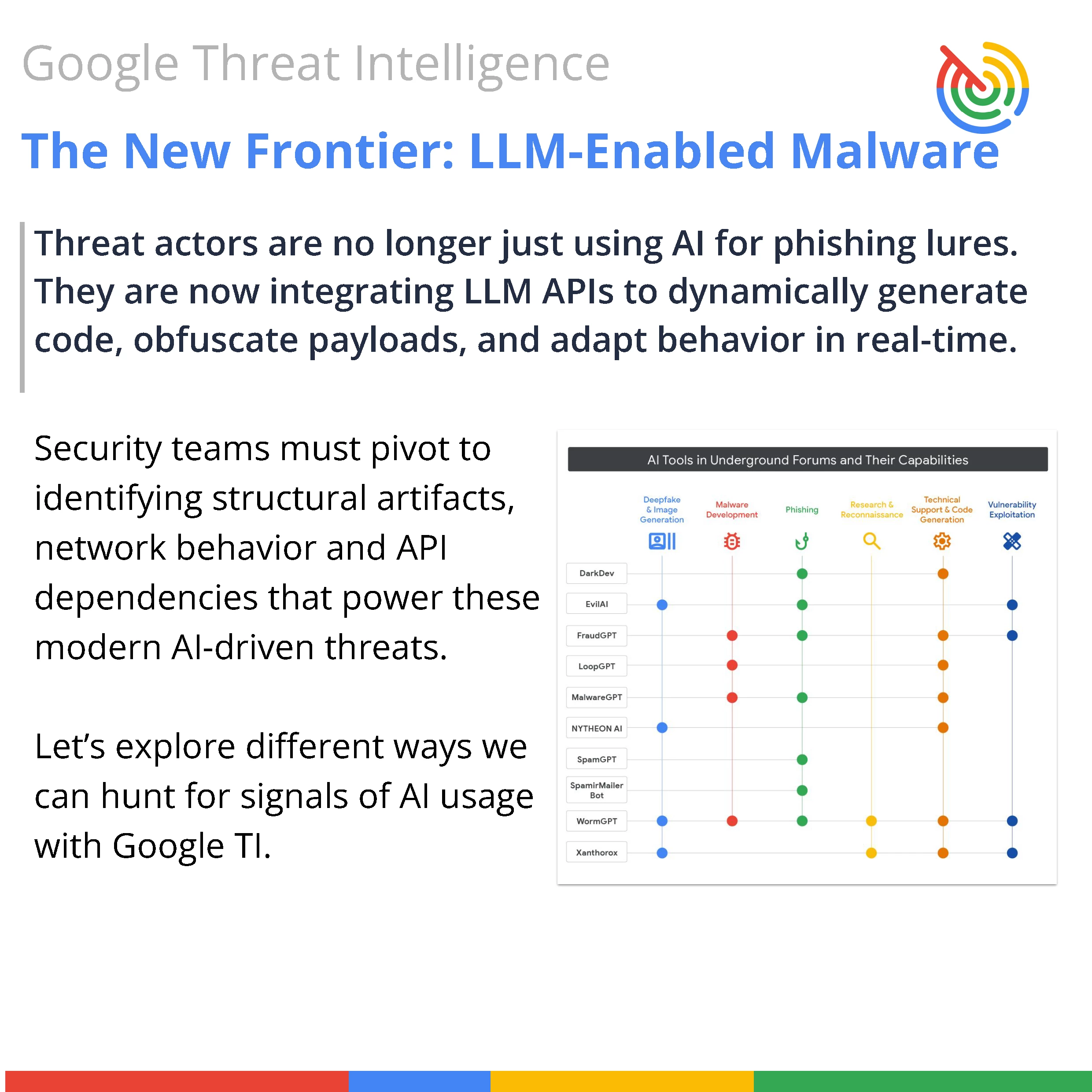
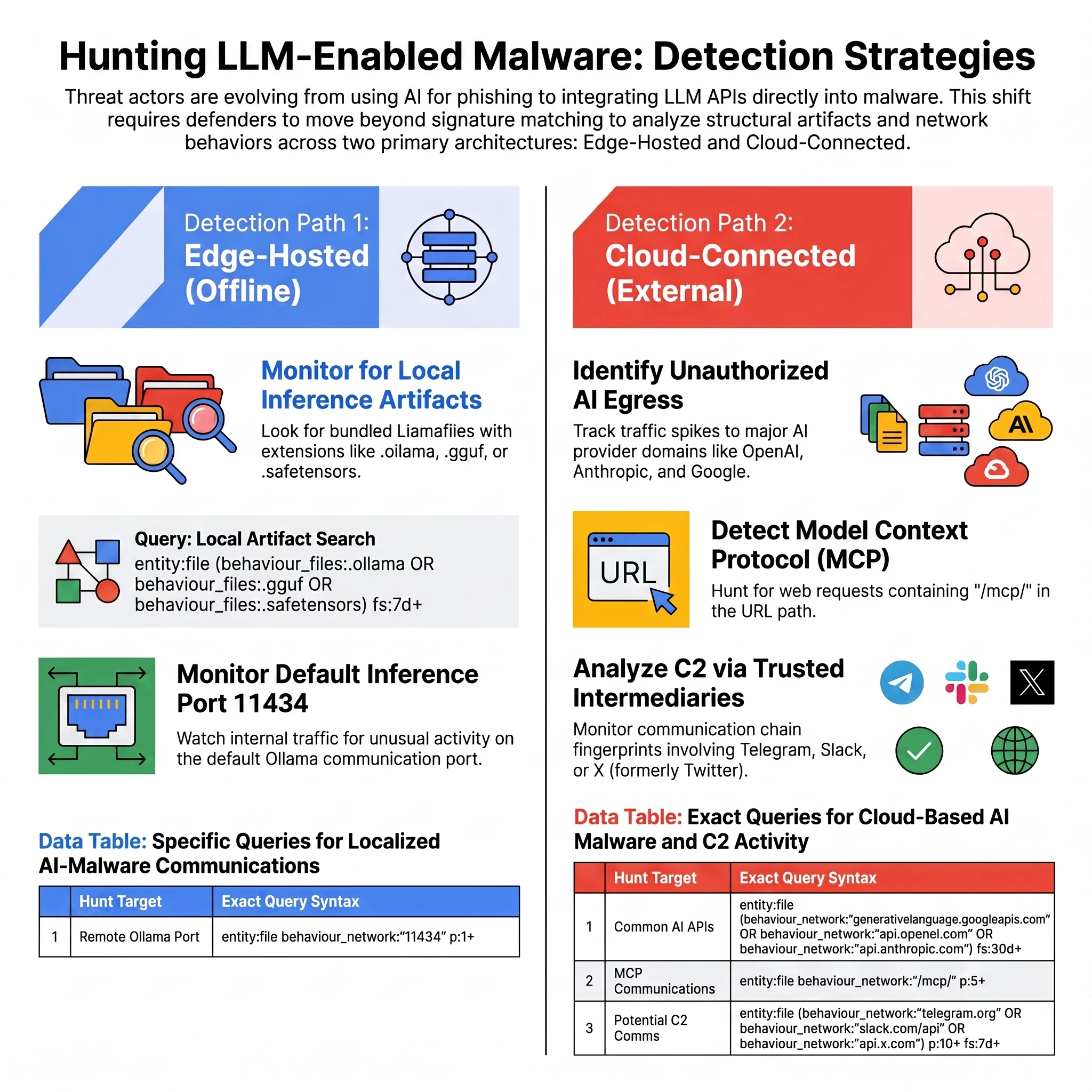
The cybersecurity landscape is shifting as threat actors evolve past basic AI-generated phishing lures. A recent research brief from Google Threat Intelligence highlights a sophisticated trend: attackers are now integrating Large Language Model (LLM) APIs directly into malware to dynamically generate code, obfuscate payloads, and adapt malicious behavior in real time. This evolution requires security teams to transition from traditional signature matching to analyzing structural artifacts, network behaviors, and API dependencies. According to the research, AI enabled threats primarily follow two architectural paths: edge-hosted and cloud-connected.
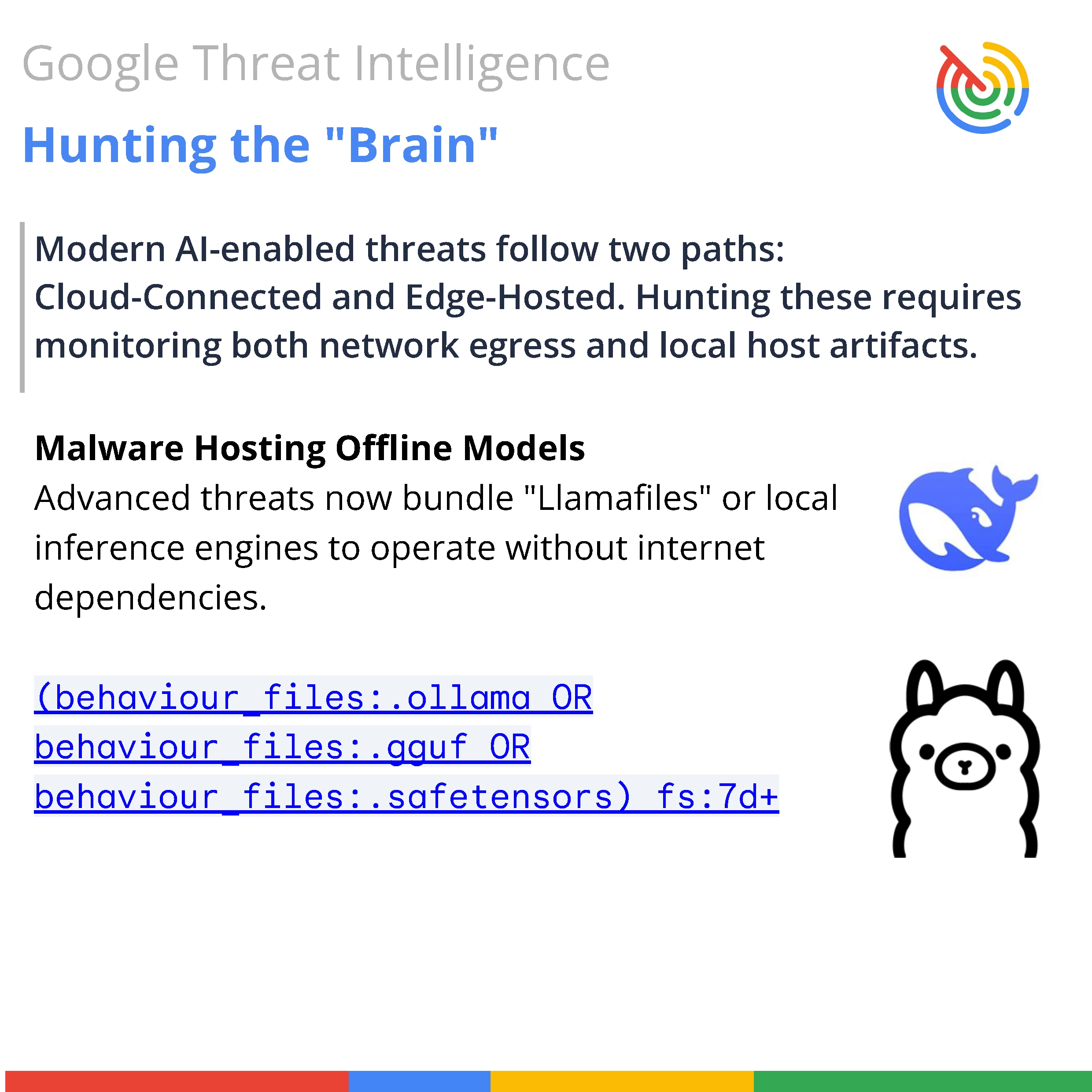
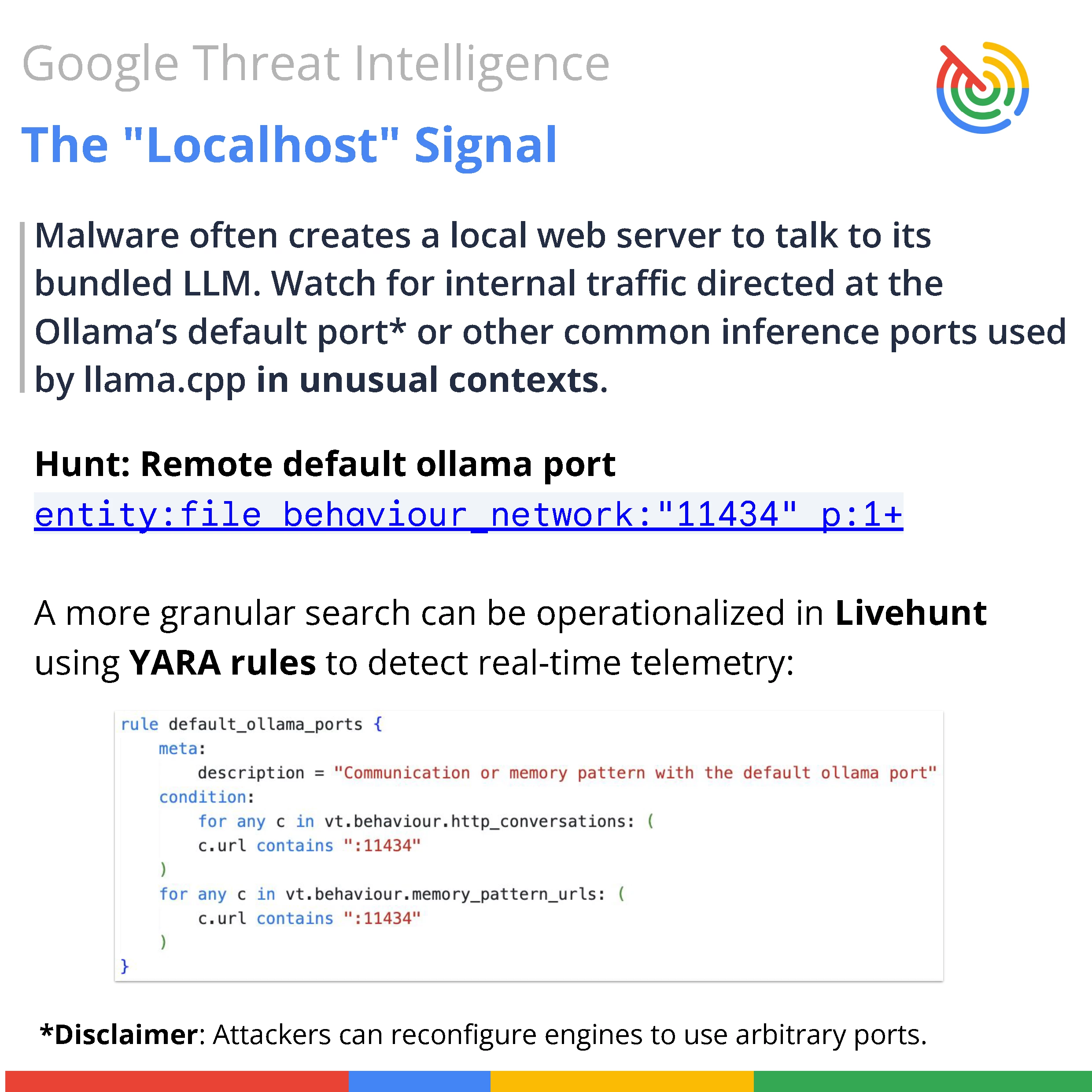
Edge hosted malware bundles local inference engines, such as Llamafiles, allowing them to operate offline without internet dependencies. Defenders can hunt for these threats by monitoring host file systems for specific behavioral files, including .ollama, .gguf, or .safetensors extensions. Since local models often establish a local web server to communicate with the bundled LLM, security analysts should monitor internal traffic for unusual activity on default inference ports like 11434.
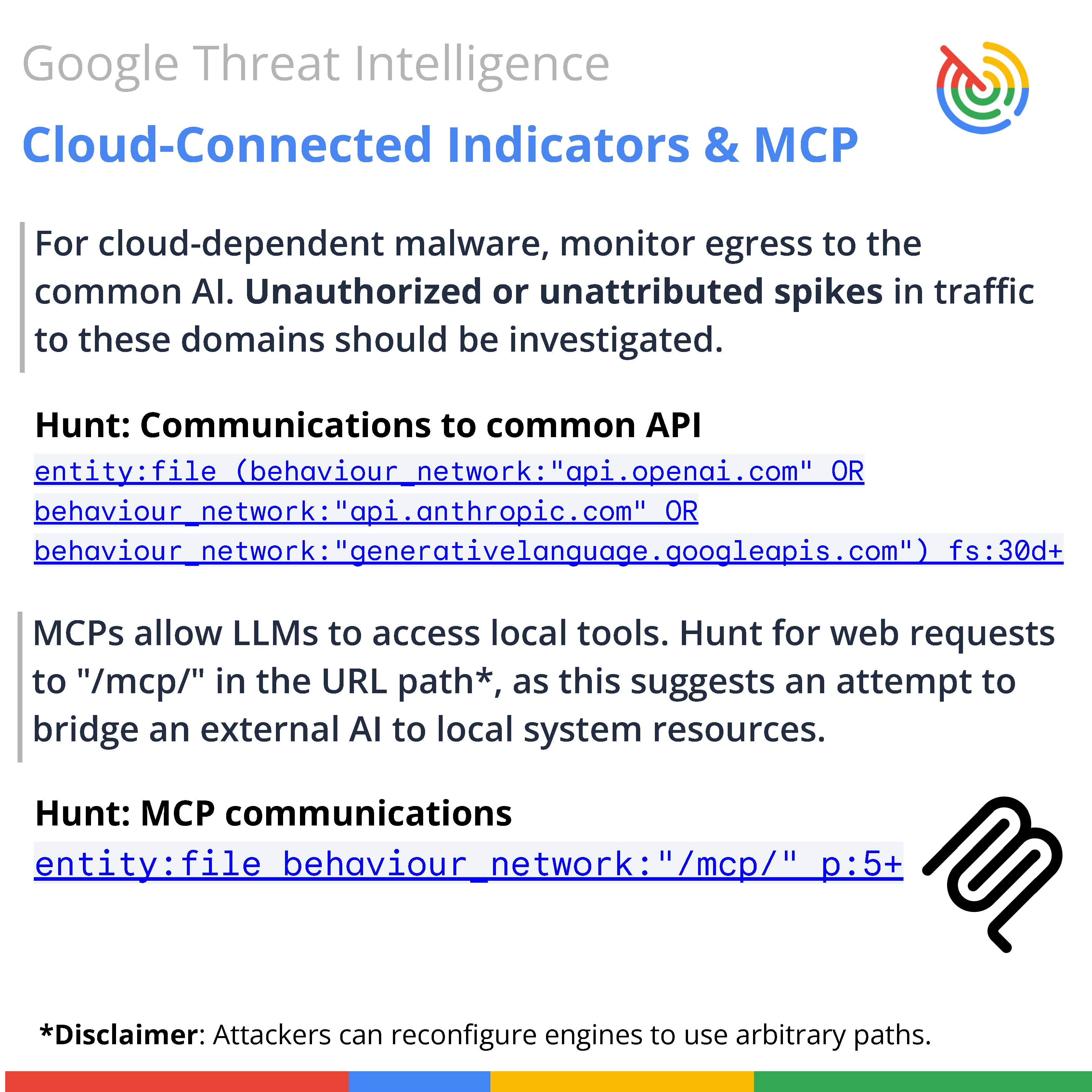
Cloud-connected malware relies on external AI infrastructure. Hunting for these threats involves monitoring network egress for unauthorized traffic spikes to major AI provider domains, such as OpenAI, Anthropic, and Google. Analysts should also watch for web requests containing /mcp/ in the URL path, which indicates the use of the Model Context Protocol to bridge external AI to local system resources.
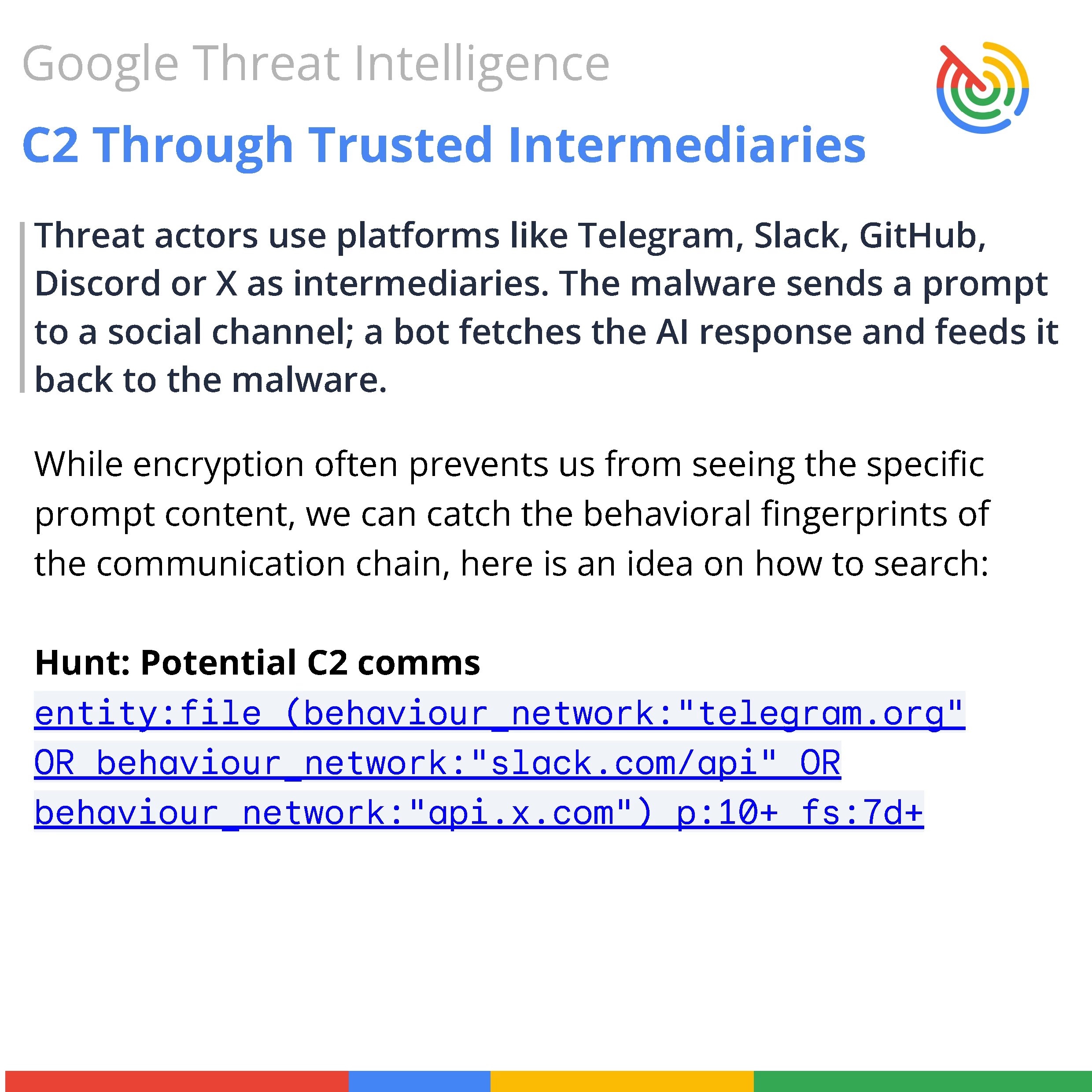
Threat actors are leveraging trusted platforms like Telegram, Slack, and X as Command and Control intermediaries to relay AI prompts and responses. While encryption may mask the data payload, tracking these specific communication chain fingerprints allows security operations centers to effectively detect and neutralize next generation AI threats.
Additional Resources, Links, and Examples:
Malware Hosting Offline Models
Hunt: Remote default ollama port
Hunt: Communications to common API
Hunt: MCP communications
Hunt: Potential C2 comms
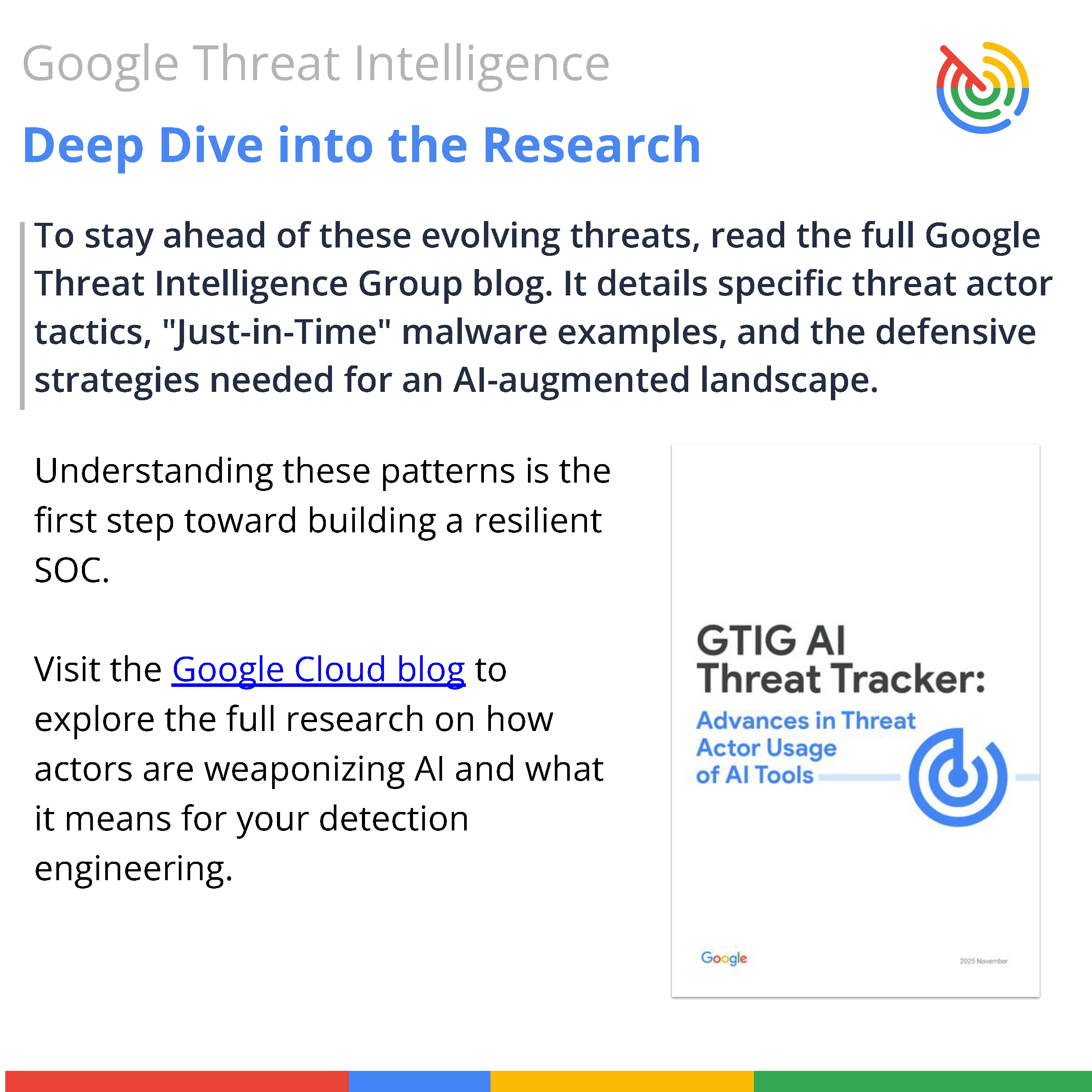
GTIG AI Threat Tracker Blog: Advances in Threat Actor Usage of AI Tools
